Yes. Salsa and bachata are both Latin dances, but they do not share the same history, music, timing, or movement.
Salsa grew from Afro-Cuban musical traditions and took its modern name and shape through Caribbean and Latino communities, especially in New York. Bachata developed in the Dominican Republic as its own music-and-dance tradition. They now sit beside merengue, cha-cha-cha, mambo, son, cumbia, and other dances commonly grouped under the broad label “Latin dance.”
Updated August 2026: We rewrote this guide to clarify the origins of both dances, explain what “Latin dance” means, and separate cultural traditions from the ballroom competition category called Latin.
What does “Latin dance” mean?
In everyday use, Latin dance is an umbrella term for dances connected to Latin American and Caribbean music and culture. That makes salsa and bachata Latin dances in the broad cultural sense.
The term can mean something narrower in a ballroom studio. International Latin competition has five specified dances: cha-cha-cha, samba, rumba, paso doble, and jive. Salsa and bachata are not part of that five-dance programme, although many studios teach them alongside ballroom and other social dances.
| Dance | Where it developed | Common count | Typical social-dance feel |
|---|---|---|---|
| Salsa | Cuban musical roots; modern salsa culture developed across the Caribbean, Latin America, and New York | Six steps across eight counts | Turns, changes of direction, partner patterns, and rhythmic footwork |
| Bachata | Dominican Republic | Three steps and an accent or tap across four counts | Grounded partner movement, hip action, footwork, and musical interpretation |
Why salsa is a Latin dance
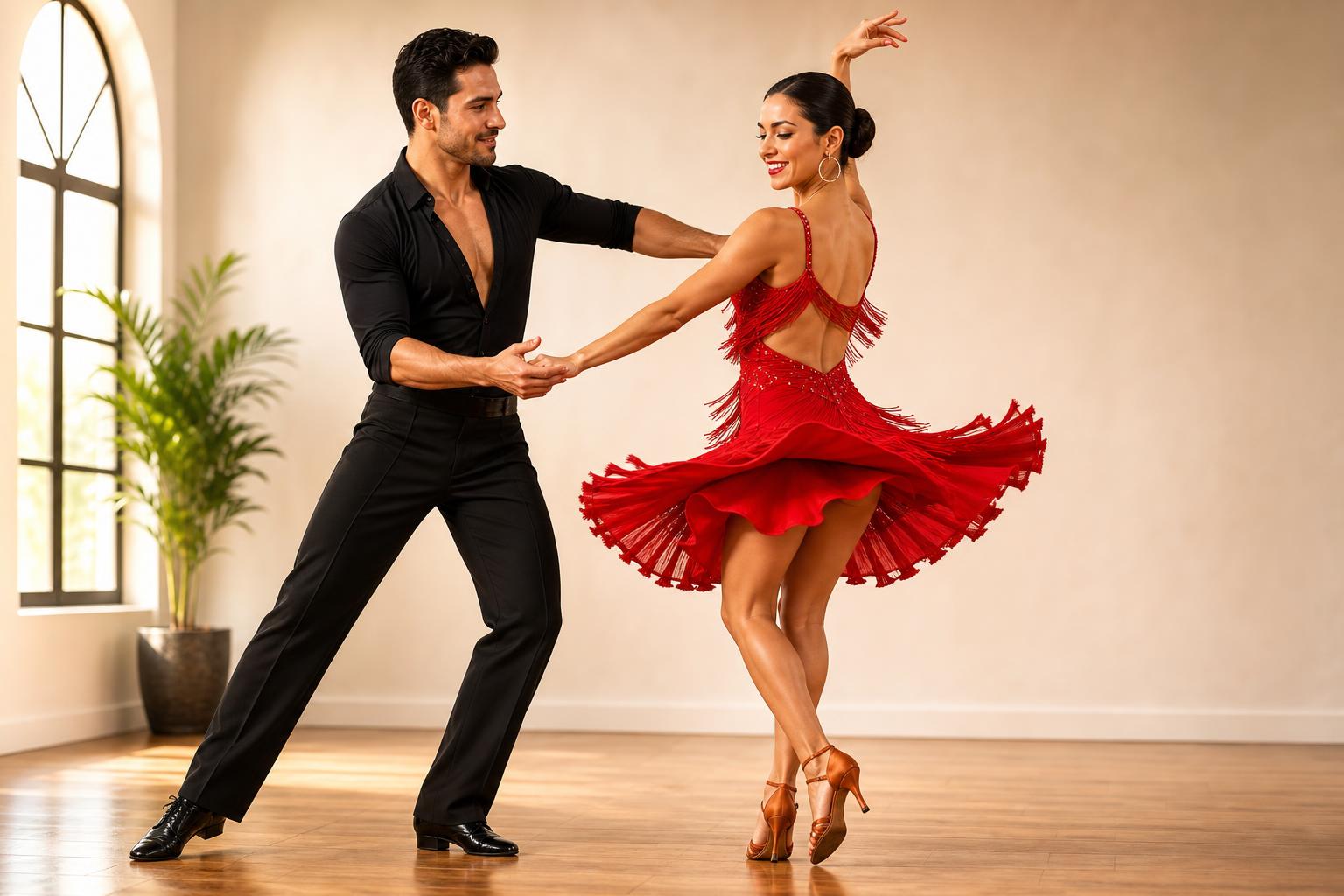
The Smithsonian’s history of salsa music traces salsa through Afro-Cuban music and the communities that developed the sound in the United States. New York musicians and dancers, many of them Puerto Rican and Cuban, helped turn “salsa” into the name for a connected family of rhythms and dance practices in the 1960s and 1970s.
Salsa is therefore Latin without belonging to just one country. Its styles reflect different places and teaching traditions. LA-style salsa is usually linear and danced On1. New York style is usually linear and danced On2. Cuban casino moves more circularly, while Cali style puts much more emphasis on fast footwork.
Our guide to the most popular salsa styles explains those differences. If the timing is what confuses you, start with choosing to dance On1 or On2.
Why bachata is a Latin dance
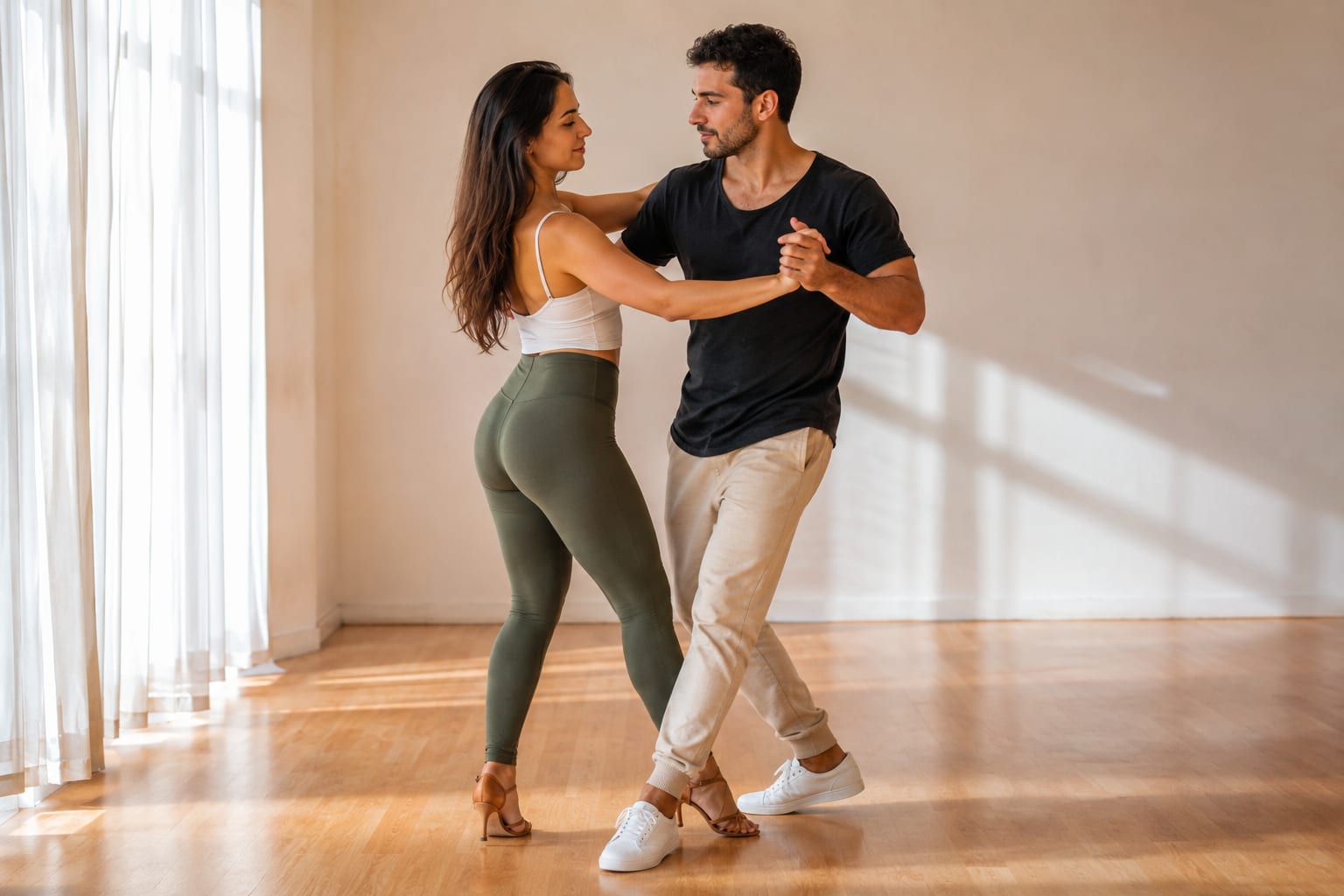
Bachata is distinctly Dominican. It developed from guitar-led music that combined bolero with other Afro-Caribbean influences, and its dance grew with that music. UNESCO added the music and dance of Dominican bachata to its Representative List of the Intangible Cultural Heritage of Humanity in 2019.
Traditional Dominican bachata centres rhythm, partner connection, and improvised footwork. Modern, sensual, and fusion styles developed later and changed the look of the dance, but they still use bachata timing and music as their base. See our guide to the different kinds of bachata for a more detailed comparison.
What salsa and bachata have in common
- Both are partner dances with strong social-dance cultures.
- Both ask you to transfer weight clearly and stay connected to the music.
- Both have regional and modern styles rather than one universal technique.
- Many events teach and play both, so dancers often cross-train.
The differences matter when you start learning
Salsa usually asks for quicker direction changes, more turns, and a six-step pattern spread across eight counts. Bachata starts with a four-count pattern and often feels easier to follow during a first class. That does not make advanced bachata simple: musical footwork, clean body movement, and safe sensual technique all take time.
If you are choosing a first class, our salsa-versus-bachata beginner guide gives a practical comparison. Your local scene matters too. A style becomes much easier to learn when you have a good teacher and regular social dances nearby.
Do salsa and bachata need different shoes?
You can usually use the same pair for both. Look for a secure fit, enough forefoot flexibility to move naturally, and a sole that lets you turn without sticking. Studio shoes commonly use suede; street-friendly dance shoes use harder leather or synthetic split soles.
Beginners do not need a high heel. A low, flared heel or a flat dance sneaker is often easier for lessons and long socials. Our salsa shoe buying guide explains fit, soles, heel shapes, and indoor-versus-outdoor use.
Bottom line
Salsa and bachata are both Latin dances. Salsa has Afro-Cuban roots and a history shaped by Caribbean and Latino communities across several countries, especially in New York. Bachata comes from the Dominican Republic. Treating them as interchangeable misses what makes each one sound and feel different, but learning either gives you a useful base for the other.