What are you hearing when a salsa band starts to build? The wooden click may come from claves, the low pattern from bass, the round hand-drum tones from congas, and the bright ring from a campana. Each part has a different job, so the loudest sound isn’t always the best guide to the phrase.
This guide gives you a visual and listening cue for 11 instruments you may meet in salsa. A band can use a smaller lineup, swap sounds, or add strings and other winds. You don’t need to hear every part at once to dance well.
Quick answer: Listen first for the repeating pulse and the return of a musical phrase. Claves, congas, bongos, timbales, campana, güiro, and maracas make distinct percussion sounds; piano and bass shape the repeating pitched pattern; trumpets and trombones often answer the voice or mark a change. No single instrument announces count 1 in every song.
Why salsa lineups vary
Salsa draws on Afro-Cuban son and rumba, with Puerto Rican musicians playing a major part in developing the music in the United States. The National Museum of the American Latino’s salsa-roots exhibit traces those links through the clave rhythm and the musicians who carried the music forward. The National Park Service’s salsa-instrument exhibit lists percussion, strings, brass, piano, and several possible wind instruments. That range explains why a track with a smaller son-style group can sound different from a large horn-led orchestra.
The drawings below show each instrument’s basic shape. The sound descriptions tell you where to place your attention in a recording; they don’t claim that every band plays the same part or that every recording mixes it at the same level.
The percussion conversation
Claves: the short wooden click
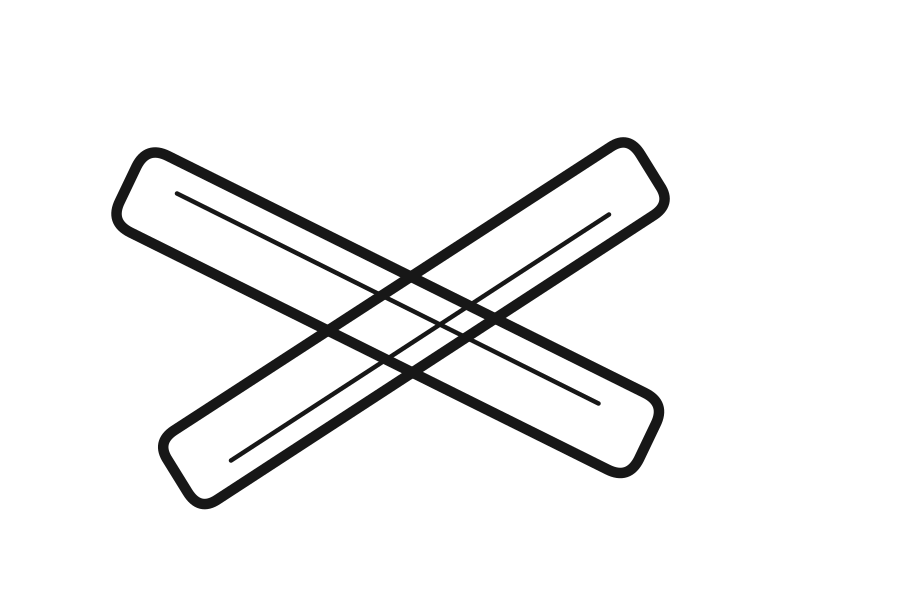
Claves make a dry, high wooden click. The word clave also names the organising rhythm, often described as a three-hit side and a two-hit side across two measures. The sticks may play that pattern aloud, but a band can carry the relationship without a clearly audible clave part. Hear the click as a repeating shape, then check the longer phrase before you name its direction. The Smithsonian exhibit shows the sticks and explains that rhythmic foundation.
Congas: round hand-drum tones
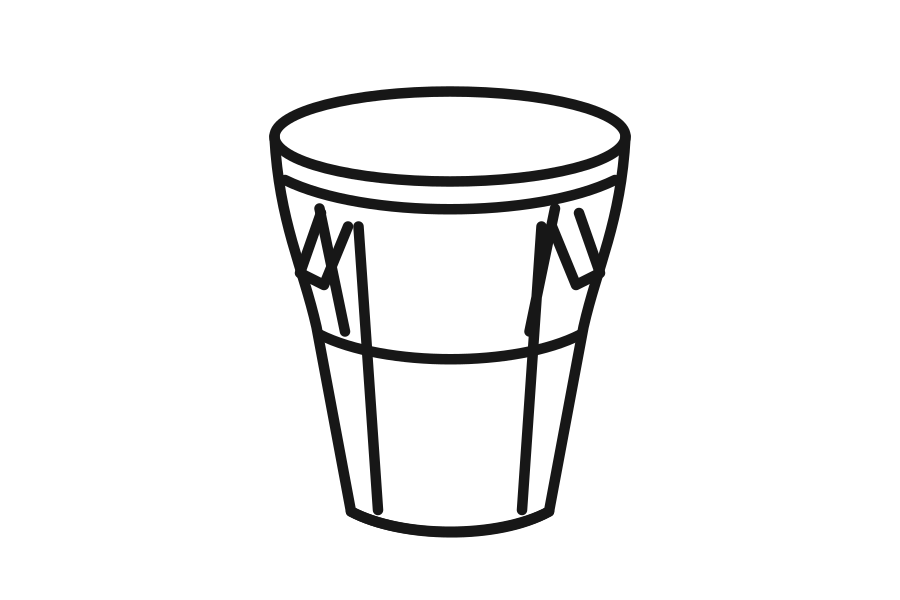
A conga player uses the hands to make lower open tones, softer touches, and sharper slaps. The repeating pattern often called tumbao can help you feel movement toward the next part of a phrase. The tones may blend with bass or disappear under a busy arrangement, so listen to a short quiet passage before trying to follow them through the whole song. The National Park Service describes congas and claves as closely linked parts of salsa’s rhythmic base.
Bongos: quick, higher drum taps
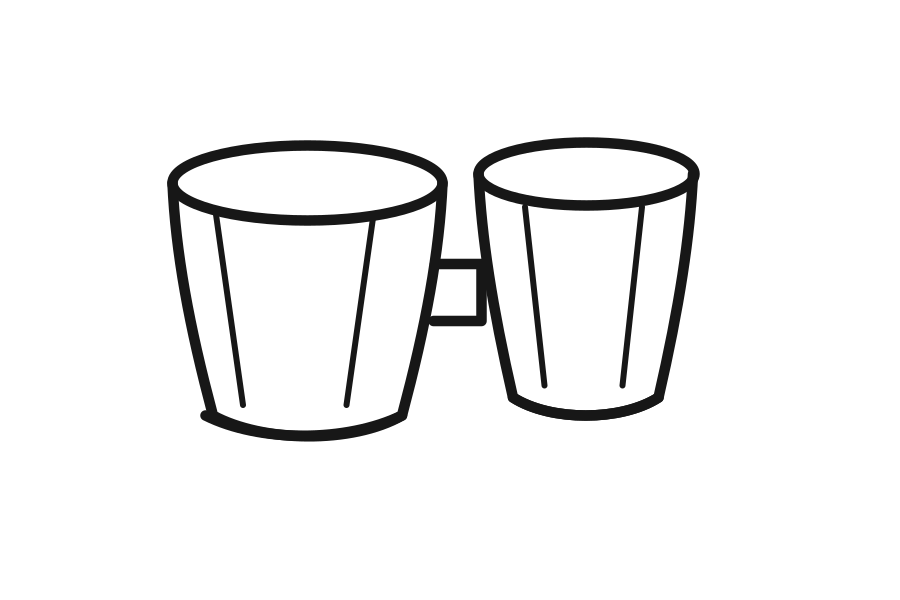
Bongos sit higher in pitch than congas. Listen for a close pattern of dry taps that can pass between the two heads. In some son-derived arrangements, the bongo player changes to a handheld bell when the montuno section opens up. Smithsonian Folkways’ liner notes describe that switch; it helps explain why you may hear a bell arrive just as the bongo taps become harder to pick out.
Timbales: sharp shell clicks and drum fills
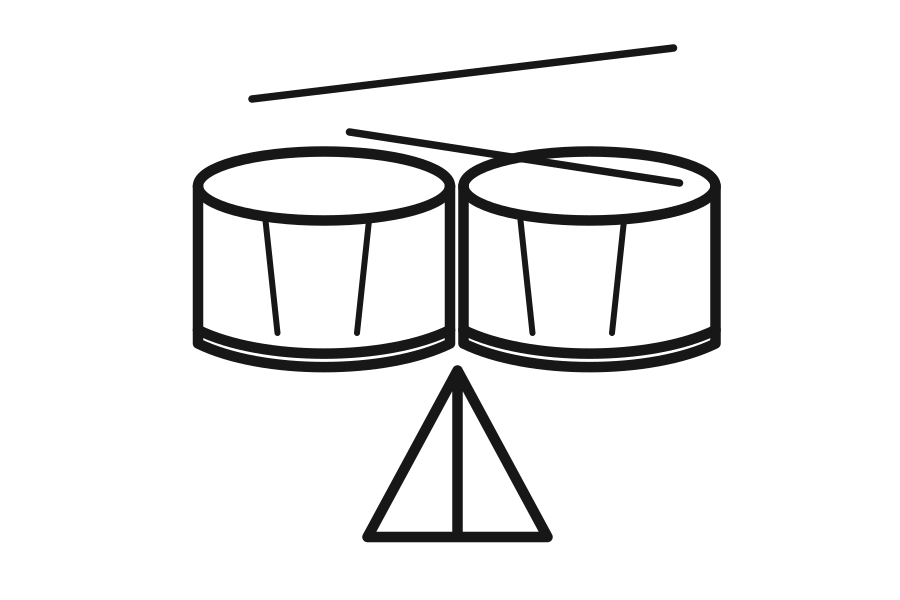
A timbalero can strike the metal shells for a crisp ticking pattern called cáscara, use the drumheads for accents and fills, and play mounted bells. A rapid fill may lead into a new section, but it doesn’t change the pulse by itself. Hear the fill, then check where the piano, bass, and voice land after it. The Casa Museo Ismael Rivera music resource identifies the paired drums within the salsa ensemble.
Campana: a bright struck bell
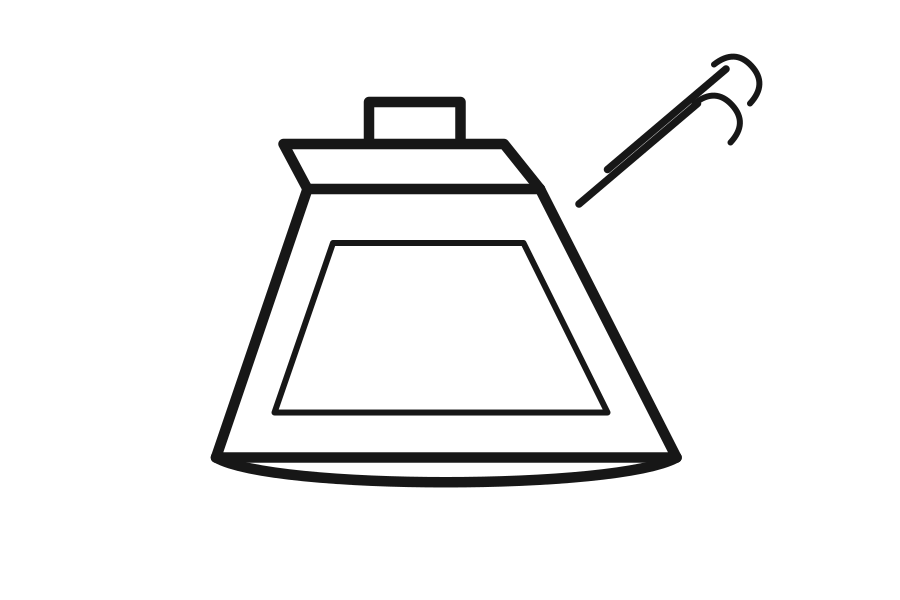
Campana means bell; English-speaking dancers often say cowbell. Its clear metallic ring can stand out when singers and horns get loud. A bongo player may carry a handheld bell, while a timbalero may use mounted bells. Don’t treat each ring as a universal numbered beat: bell patterns change with the arrangement and the player’s role. First identify a pattern that repeats, then hear where the band changes around it.
Güiro: the rasp of a scraper
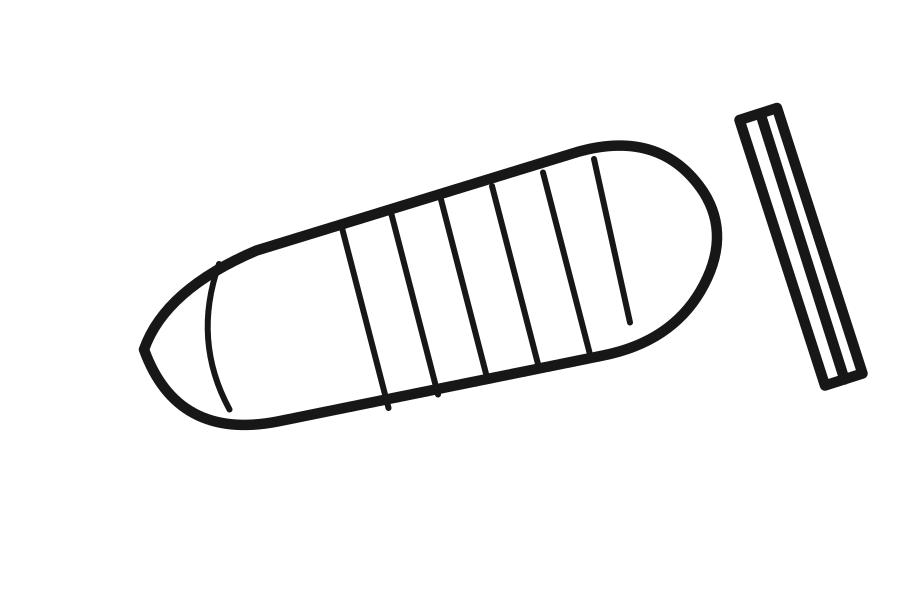
The güiro has ridges that produce a dry rasp when a player draws a stick across them. Short and long strokes can fill the gaps between stronger drum sounds. Its steady texture can help you keep moving when a horn riff draws your attention away from the pulse. The National Park Service includes the güiro among the instruments heard across salsa lineups.
Maracas: a paired shaker sound
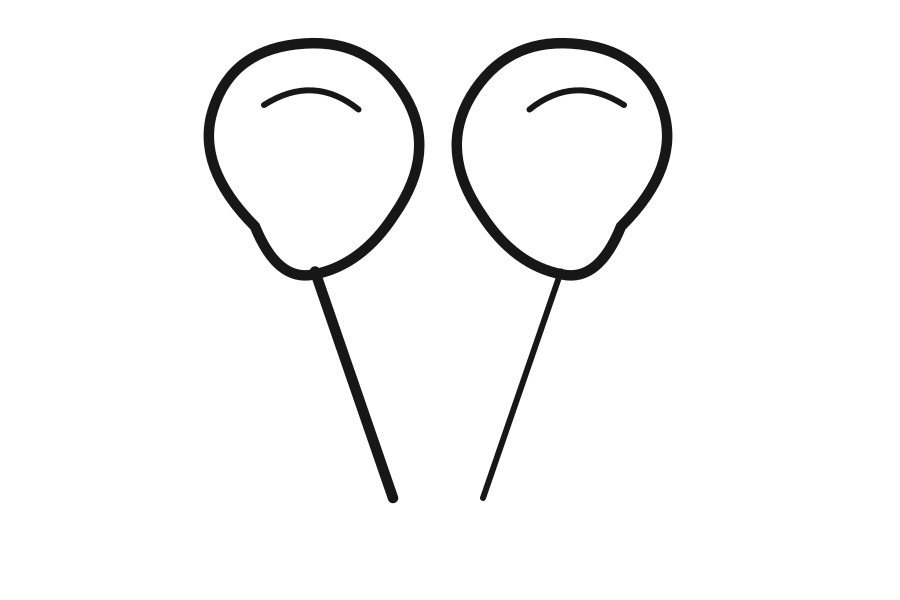
Maracas make a fine rattling sound as a player moves the pair. They can keep a light surface rhythm behind the voice and drums. Because their sound spreads across a movement, a shaker accent is less exact to a new listener than a clave click or bell strike. Listen for the repeated motion first. Smithsonian Folkways’ teaching guide lists maracas, güiro, and claves among hand percussion in son and salsa-related ensembles.
The pitched pattern underneath
Piano: a repeating, syncopated figure
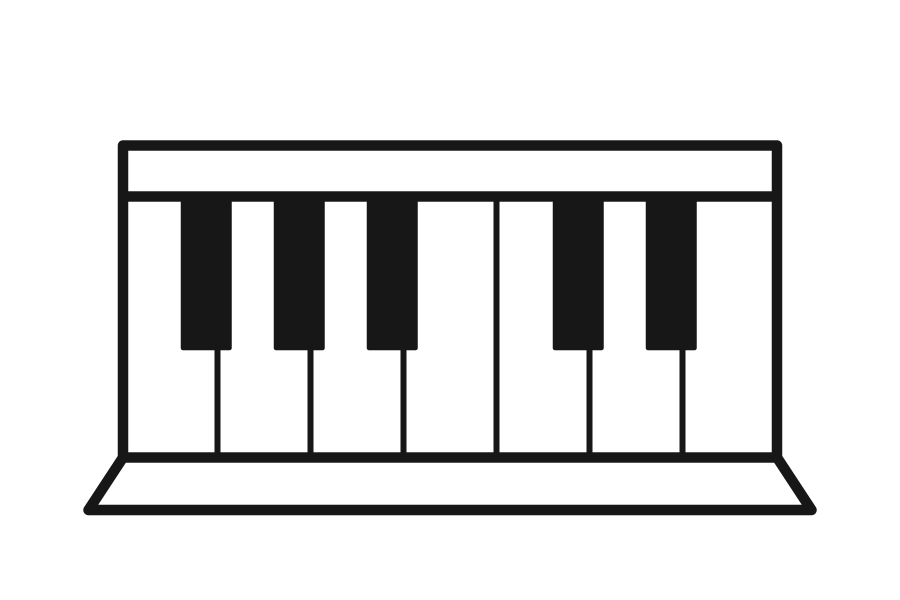
Salsa piano often repeats a syncopated figure called a montuno or guajeo. Follow the shape of the notes until you recognise where the loop starts again. That return can tell you more about the phrase than a single loud drum hit. Smithsonian Folkways’ salsa listening lesson points readers to the repeating piano montuno and the anticipated bass line as separate layers.
Bass: low notes that move the harmony
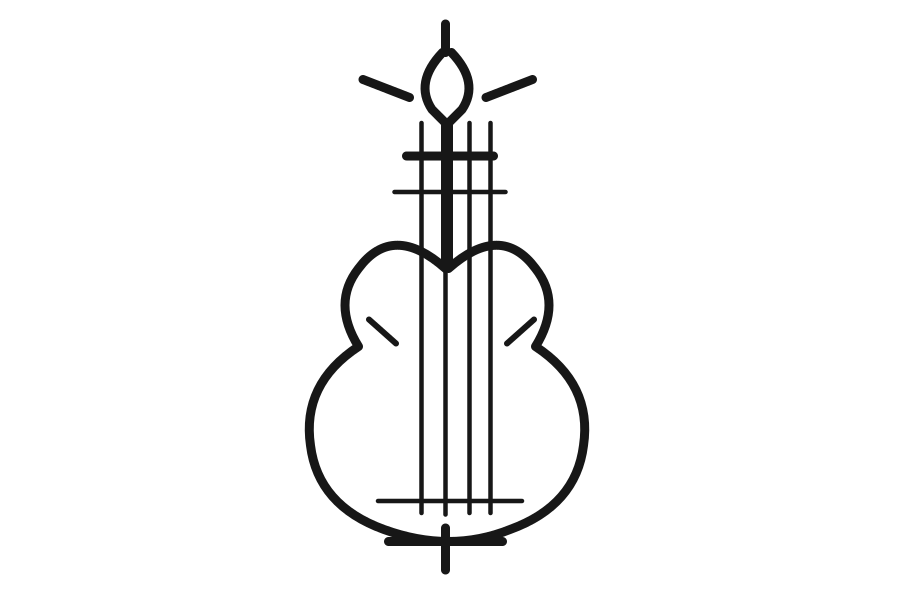
The bass gives you the lowest pitched line in many arrangements. It may play before a strong downbeat rather than directly on it, pulling your ear into the next measure. Try listening through headphones if the low notes vanish on a phone speaker. A repeated bass figure tells you about harmonic movement, but it won’t always settle whether you’re hearing the first or second half of an eight-count phrase.
The horns that answer and announce
Trumpet: a bright, focused horn line
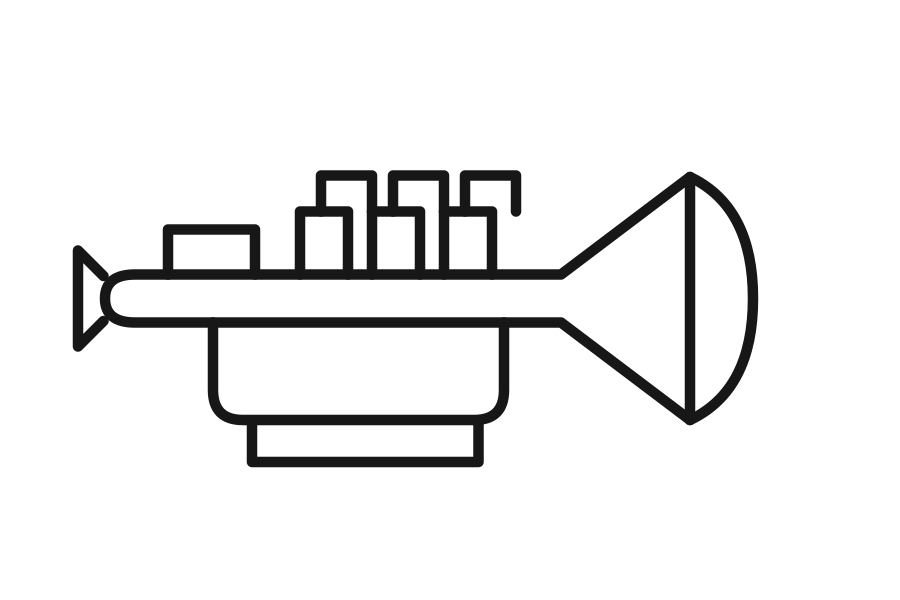
A trumpet can play a short answer to the singer, a repeated ensemble riff, or a solo. Its brighter register often makes it easy to notice, but a horn stab is an arrangement choice, not a count marker that works across songs. Listen for the whole line and where it repeats. The National Park Service lists trumpet among the instruments that can shape a salsa band’s sound.
Trombone: a lower brass reply
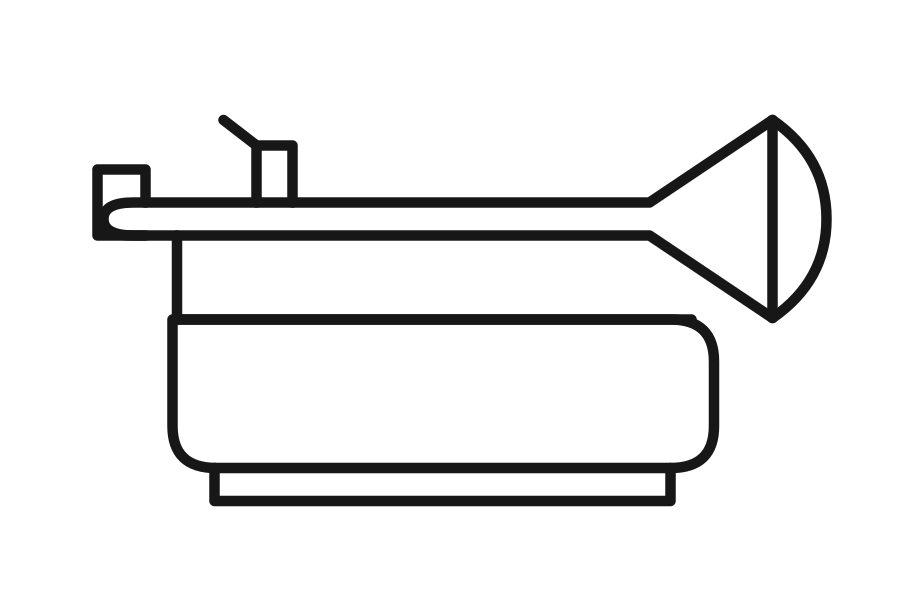
Trombones can make a thick lower brass line, answer a trumpet, or punctuate a chorus. A band may use one, several, or none. The National Park Service’s exhibit describes the horn section’s call and response and points to Willie Colón’s trombone sound as an example. Saxophone, flute, tres, strings, and electronic sounds also appear in different salsa lineups; these 11 drawings are a listening start, not a rule about what belongs.
Hear the parts in one song
Choose a recording with a clear first verse and a fuller later section. Listen to the same short passage a few times:
- Tap a comfortable pulse without trying to name count 1.
- Pick one texture: wooden click, drum tone, bell ring, scrape, or shake. Notice when it enters and leaves.
- Follow the piano or bass figure until its start comes around again.
- Hear where the singer and horns begin a new exchange. Check whether the percussion changed at the same point.
If you want to connect that listening to your steps, our Salsa On1 and On2 guide separates the dance timing from the band’s instrumentation. The social shines guide shows how to answer a musical change while keeping your partner and the floor in view.
Start with the sound you can already identify, then add one more layer on each replay. If the band changes instruments or a part drops out, keep the pulse and listen for the phrase to return. That approach suits a dancer learning the music by ear; a musician preparing to play at a social also needs the organiser’s agreement and the band’s arrangement before joining in.